
New WHO Screen Time Guideline: WHO के अनुसार 5 साल से छोटे बच्चों के लिए Screen Time बेहद सीमित होना चाहिए। जानिए इसके स्वास्थ्य पर प्रभाव, बच्चों की development और parents के लिए जरूरी tips।
WHO का नया Screen Time Guideline क्या कहता है?
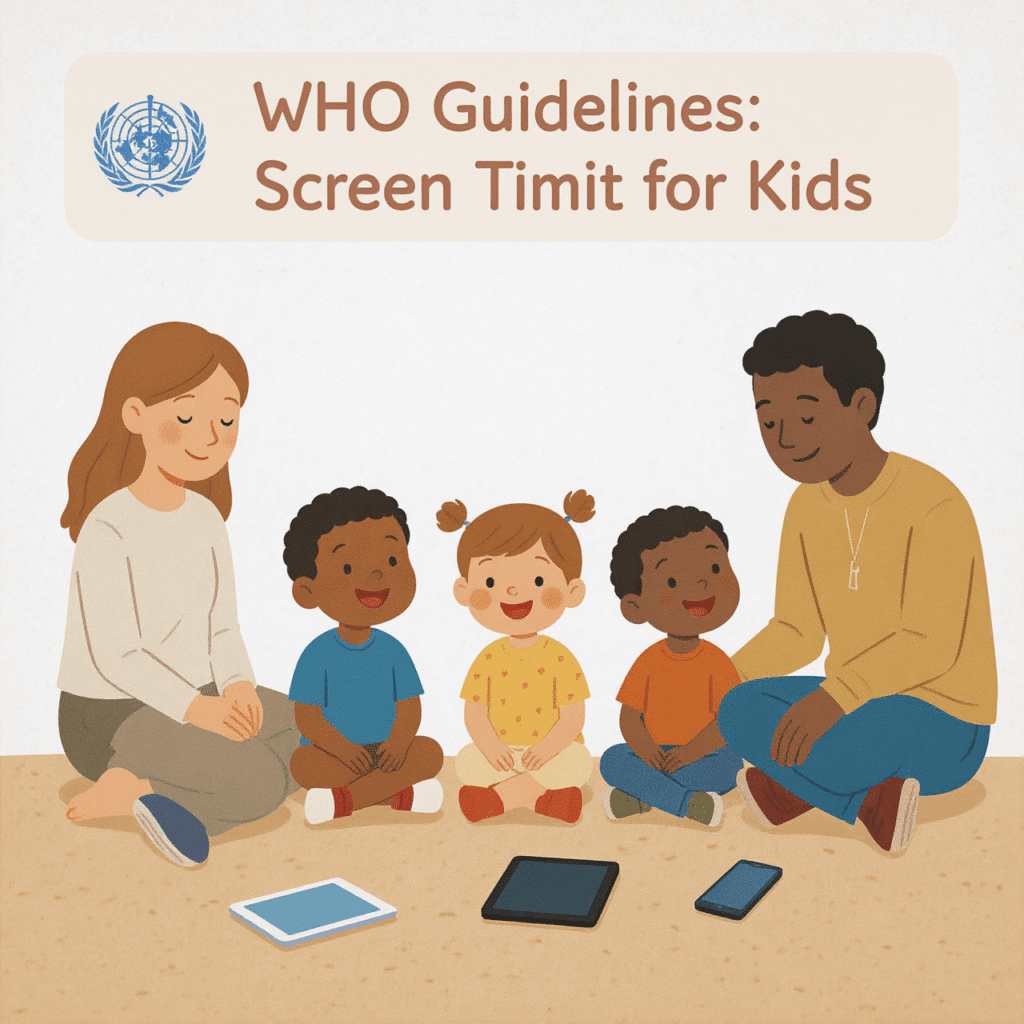
World Health Organization (WHO) ने बच्चों (age under 5) के लिए नया दिशा-निर्देश जारी किया है। इसमें कहा गया है कि:
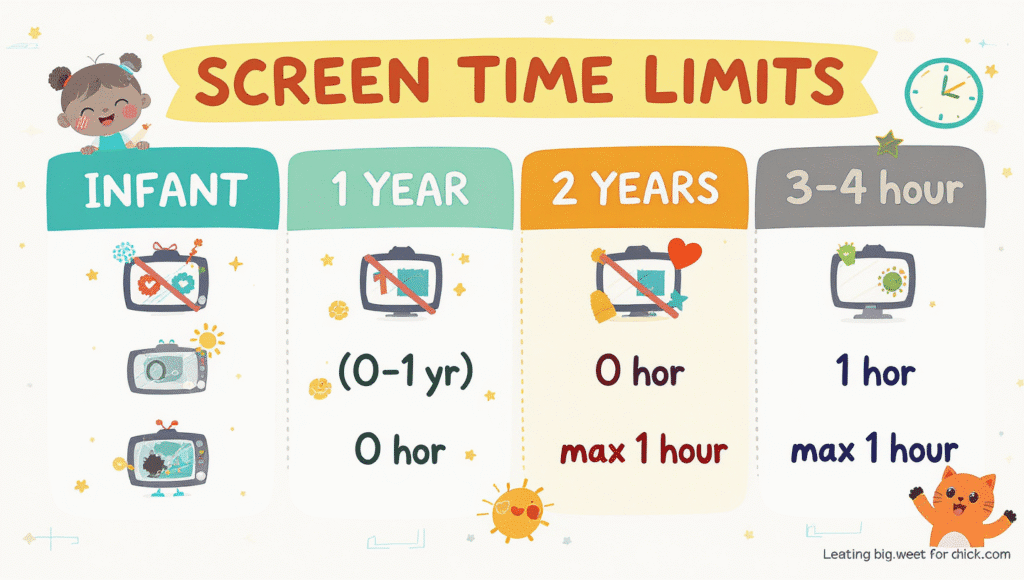
- Infants (1 साल से छोटे): बिल्कुल भी screen time नहीं होना चाहिए।
- 1-2 साल के बच्चे: 1 साल के बच्चों को कोई screen time नहीं। 2 साल के बच्चे – अधिकतम 1 घंटा, लेकिन कम समय बेहतर।
- 3-4 साल के बच्चे: दिनभर में 1 घंटे से ज्यादा नहीं।
WHO का कहना है कि बच्चों को physical activity और quality sleep पर ज्यादा ध्यान देना चाहिए, न कि digital devices पर।
क्यों खतरनाक है ज्यादा Screen Time?
WHO और विभिन्न studies के अनुसार, ज्यादा समय तक sedentary lifestyle (यानी स्क्रीन के सामने बैठना) बच्चों में कई health problems का कारण बन रहा है।
1. Vision और Eye Health पर असर
- लंबे समय तक नज़दीक से screen देखने पर आँखों की focusing ability कमजोर हो सकती है।
- Optometrists कहते हैं कि बच्चे की आँखों में pupil size और accommodative function पर असर दिखता है।
- American Optometric Association (AOA) की 2018 survey में पाया गया कि 75% parents अपने बच्चों की आँखों को लेकर चिंतित हैं।
2. Developmental Delays
- Vocabulary और communication skills कम हो जाते हैं।
- Eye contact और social interaction की क्षमता घटती है।
- Studies में screen time को ADHD symptoms, reduced attention, poor decision-making और creativity loss से जोड़ा गया है।
3. Brain और Learning पर असर
- Brain scans में पाया गया कि ज्यादा screen time से cortex की premature thinning होती है।
- Canadian researchers ने बताया कि 2-3 साल के बच्चे औसतन 2.4 से 3.6 घंटे TV देखते हैं। इसका असर उनके school readiness और learning ability पर पड़ता है।
4. Obesity और Physical Health
- Sedentary screen time directly linked है childhood obesity से।
- Physical activity कम होने के कारण बच्चों में diabetes, heart problems और अन्य lifestyle diseases का खतरा बढ़ जाता है।
Technoference – जब Technology रिश्तों में दखल देती है
Dr. Glen Steele (Professor of Pediatric Optometry, USA) के अनुसार, excessive screen time सिर्फ health ही नहीं बल्कि parent-child relationship पर भी असर डालता है।
इसे वो “technoference” कहते हैं – यानी technology का interference।
अगर बच्चा हर समय device पर है तो curiosity, problem solving और exploration जैसी natural skills कमजोर हो जाती हैं।
Parents क्या करें?
WHO और doctors का मानना है कि स्क्रीन पूरी तरह हटाना solution नहीं है, बल्कि manage करना जरूरी है।
1. 20-20-20 Rule अपनाएँ
हर 20 मिनट screen देखने के बाद – 20 सेकंड का ब्रेक लें और 20 feet दूर किसी object को देखें।
यह rule पहले CRT screens के लिए बनाया गया था, लेकिन आज भी बच्चों की आँखों के लिए effective है।
2. Screen Time Limit तय करें
- Infants: बिल्कुल नहीं
- Toddlers (1-2 yrs): 1 घंटा max
- Pre-schoolers (3-4 yrs): 1 घंटा max
3. Physical Activity Encourage करें
Outdoor games, running, cycling और physical play बच्चों की development के लिए जरूरी है।
4. Interactive Learning Promote करें
- Books पढ़ना, puzzles, art & craft जैसी activities creativity बढ़ाती हैं।
- Parent-child interaction से vocabulary और communication skills improve होते हैं।
निष्कर्ष
WHO Screen Time Guideline 2025 parents के लिए एक wake-up call हैं। बच्चों को शुरुआत से ही digital balance सिखाना जरूरी है।
Early childhood rapid development का समय होता है – अगर screen addiction बढ़ेगा तो उसके असर lifelong health और learning ability पर दिखेंगे।
Parents का काम है बच्चों को सही दिशा देना – limited screen, more play, more sleep, more learning।